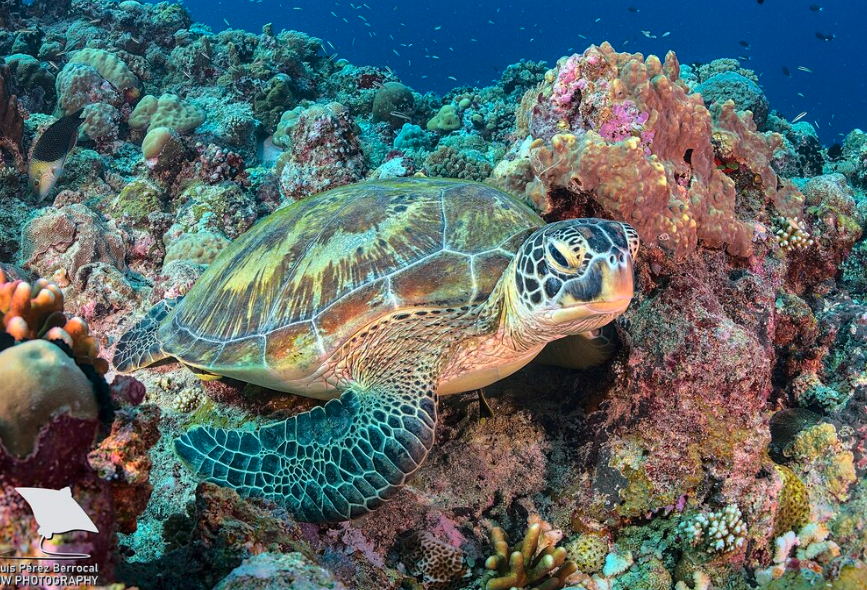
Green sea turtle
Chelonia mydas
The sea turtle most often recorded around Taiwan. Adults mainly eat seagrass and algae and forage around reefs and coastal feeding grounds.
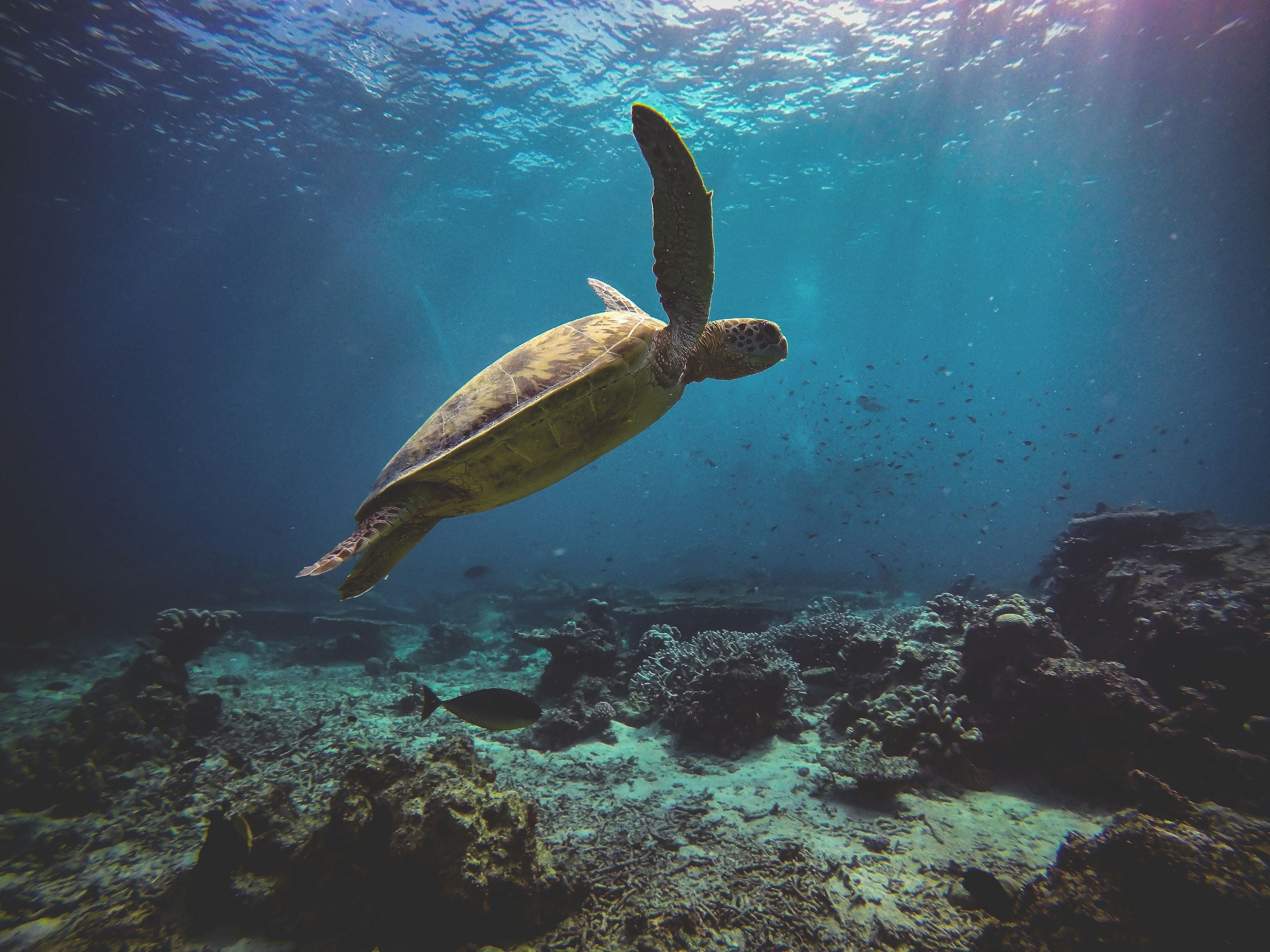
They grow with the currents, cross seas to feed and return to shore to begin the next generation. Five of the world’s seven sea-turtle species have been recorded around Taiwan; every encounter reminds us that ocean and land are one connected habitat.
Photo: Jesse Schoff / Unsplash
From the frequently seen green turtle to the ocean-roaming leatherback, each has a different shape, diet and range. Identification is only the beginning; they also need safe room to feed and migrate.
Chelonia mydas
The sea turtle most often recorded around Taiwan. Adults mainly eat seagrass and algae and forage around reefs and coastal feeding grounds.
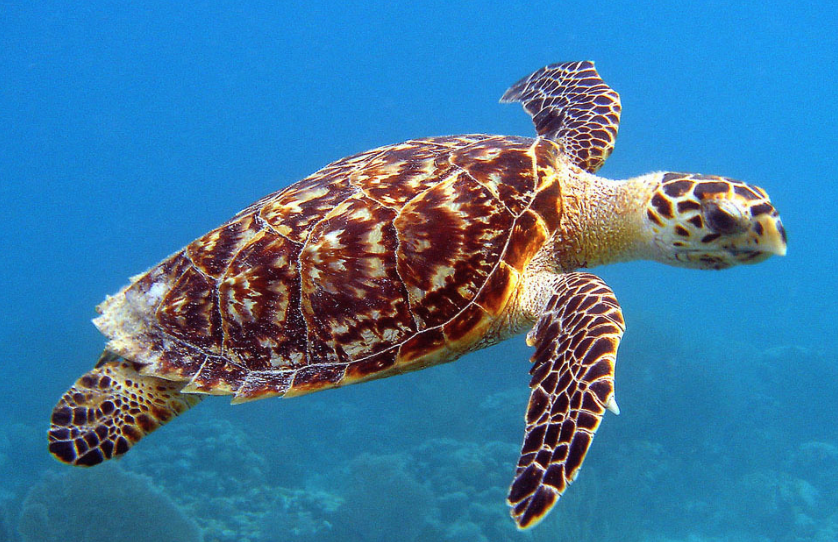
Eretmochelys imbricata
Its narrow beak reaches into reef crevices, while overlapping shell plates form a distinctive pattern that once made it a target of the shell trade.
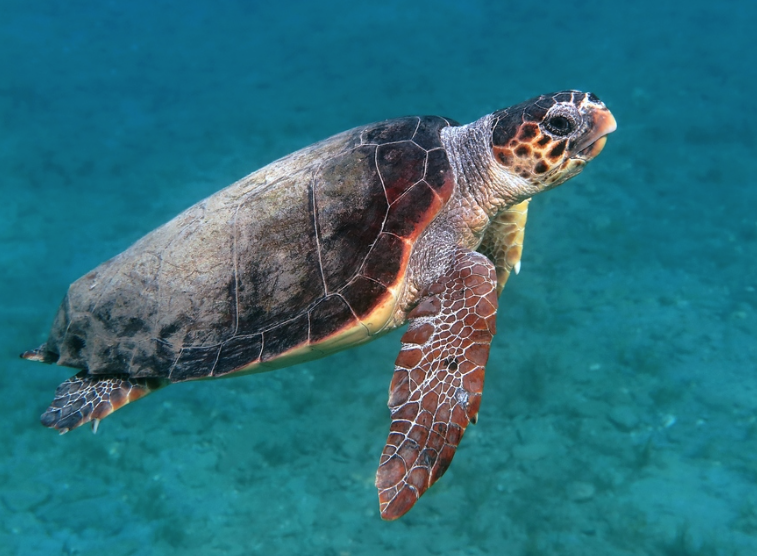
Caretta caretta
A large head and strong jaws help it eat crustaceans and shellfish. Around Taiwan it is more often known from offshore sightings or strandings.
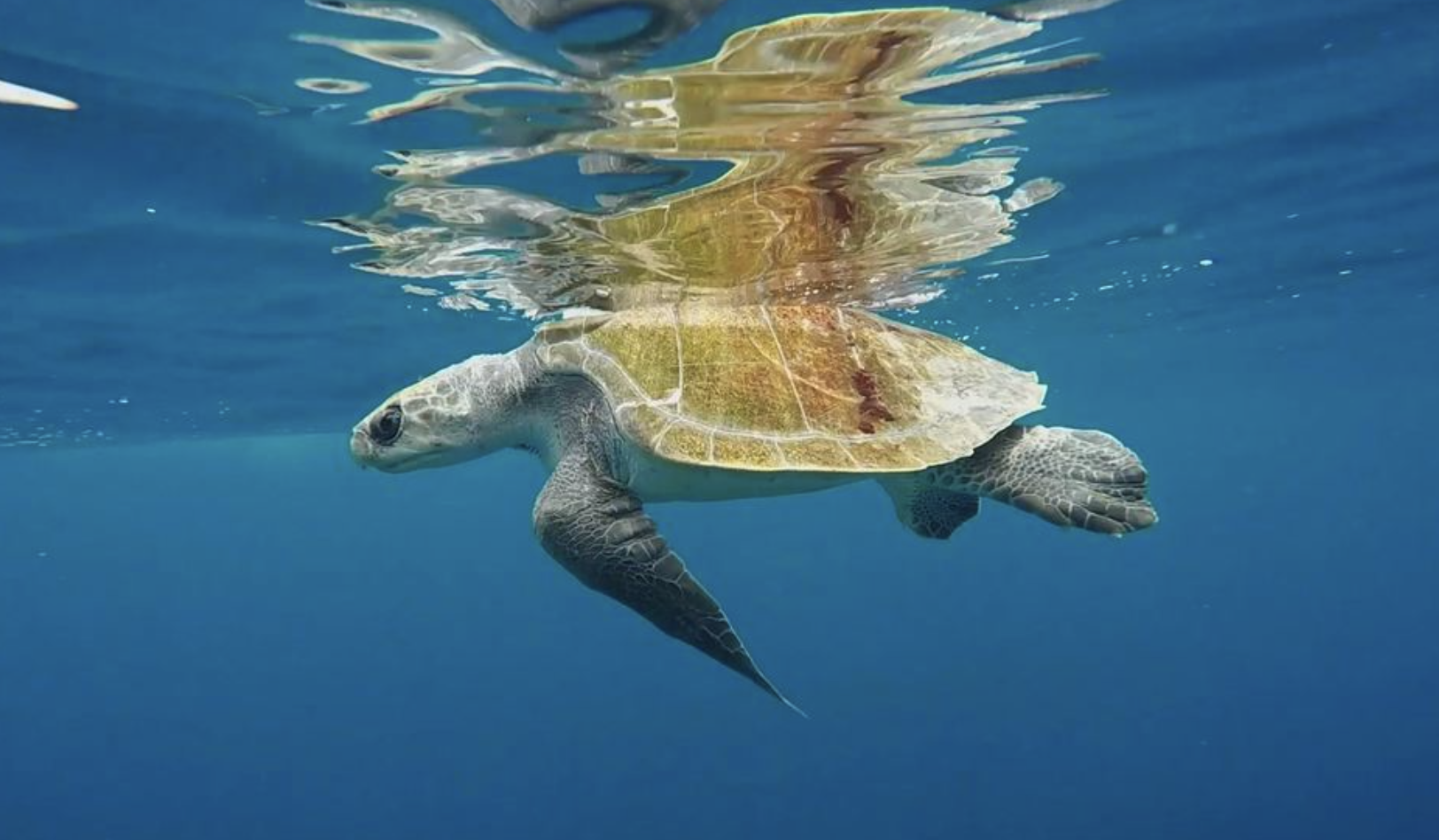
Lepidochelys olivacea
A relatively small turtle with an olive, heart-shaped shell. Records in Taiwan are uncommon, but bycatch and injury can still bring individuals into rescue.
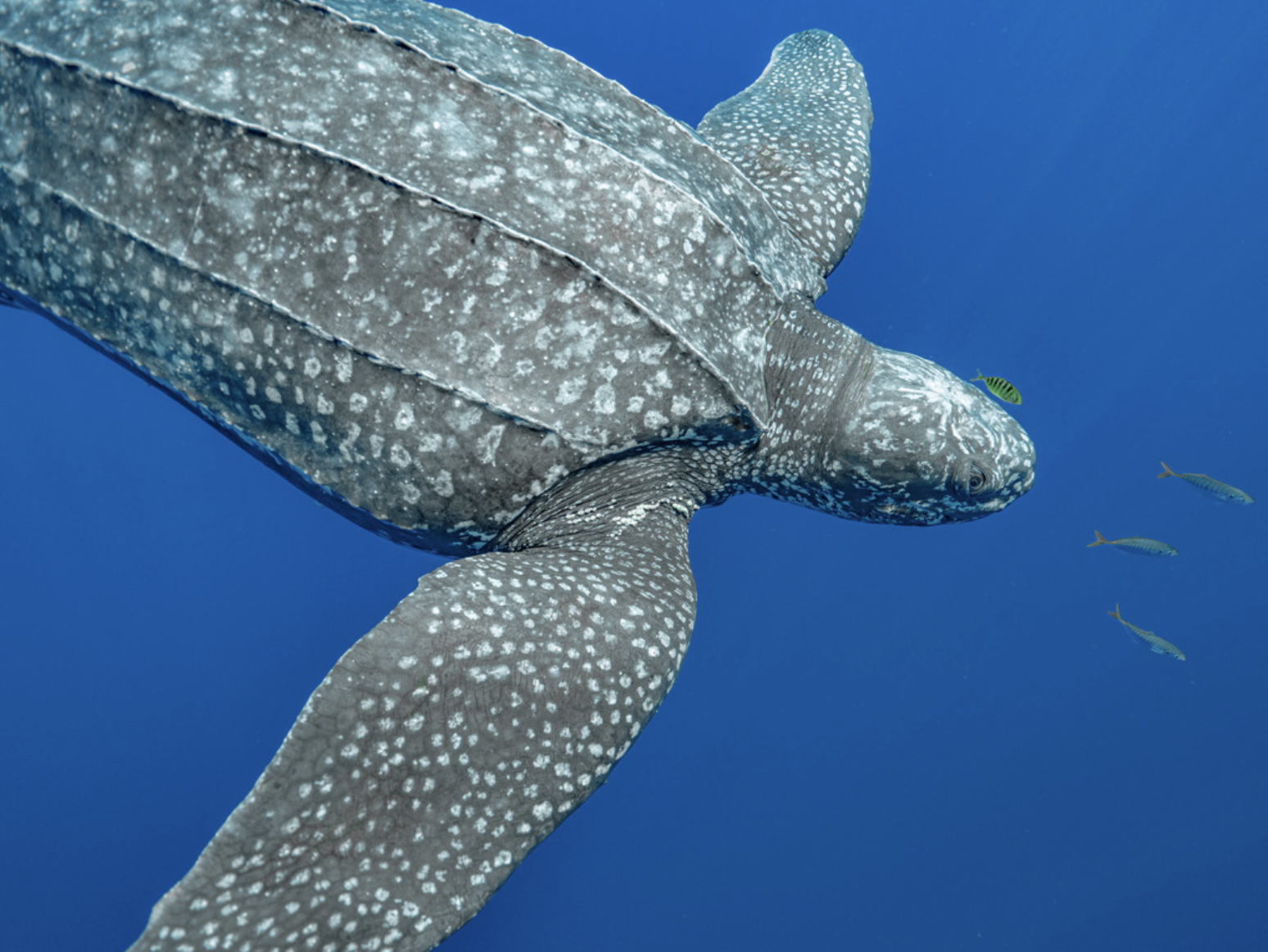
Dermochelys coriacea
The largest living sea turtle. Instead of hard shell plates, its back has ridged, leathery skin, suited to roaming deep offshore waters in search of jellyfish.
Sea turtles spend most of their lives in the ocean, but reproduction brings them back to land. Nesting beaches, coastal feeding grounds and migration routes all matter.
At night, a mature female chooses sand above the tide line and digs a nest. Light, noise and crowds may cause her to abandon the attempt.
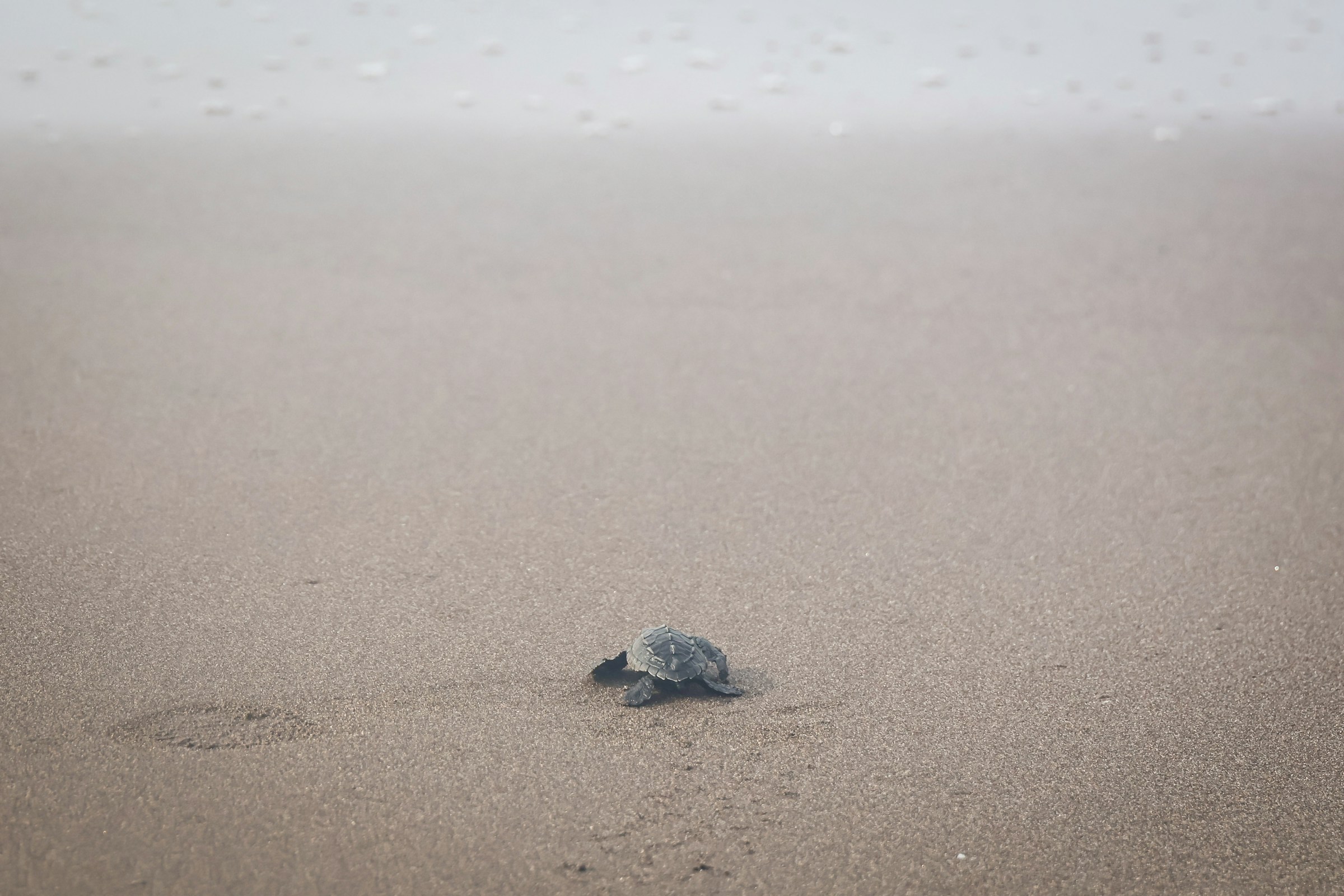
Hatchlings follow natural light and the open horizon toward the water. Artificial beach lighting can draw them the wrong way.
Young turtles enter the open ocean, drifting and feeding as they grow across administrative borders and national waters.
Adults move between feeding and breeding grounds. One safe coastline can support a life cycle lasting many decades.
Fishing gear, plastic, vessels and coastal development harm turtles at different stages of life. Reducing those risks takes action both offshore and on land.
Nets, swallowed hooks and derelict gear can cause drowning, deep wounds and lasting loss of feeding ability.
A plastic bag can resemble a jellyfish in the water, while fragments may block or pierce the digestive tract. Rubbish on land can end up at sea.
Hardened shores, recreation pressure and artificial lighting reduce nesting space and can disorient females and hatchlings.
Sea turtles must surface to breathe and may be hit by fast-moving boats. The risk grows where coastal activity is dense.