中文 118
Meet Taiwan’s cetaceans

An island surrounded by whales and dolphins

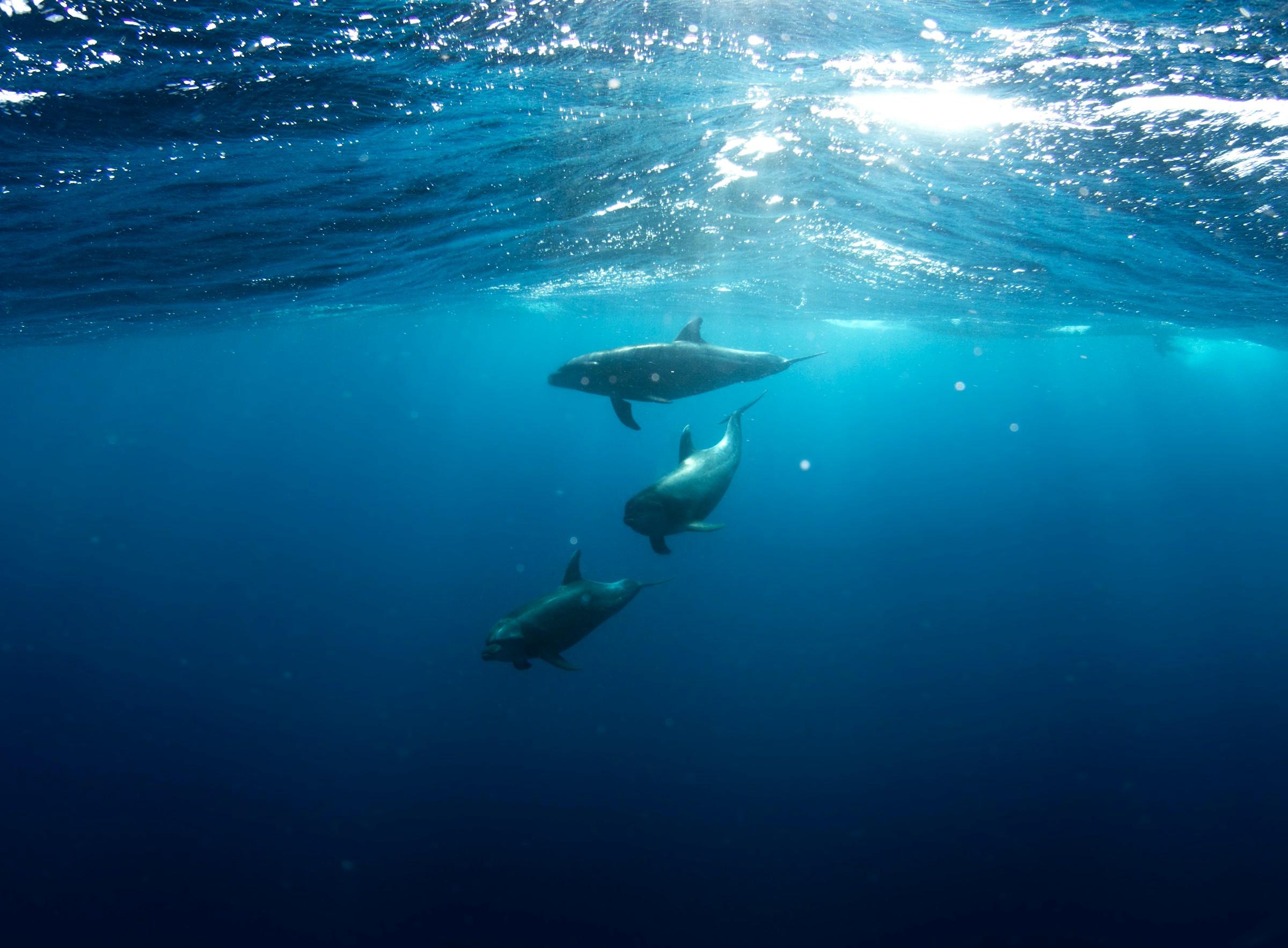
Taiwan sits where the Kuroshio Current meets the continental shelf, and its waters are richly productive. Long-term surveys have recorded about 30 cetacean species around the island — nearly a third of the world’s kinds, from coastal white dolphins to deep-sea sperm whales. In 2025 alone, 21 species were recorded stranding.

About 30 cetacean species recorded around Taiwan
21 species recorded stranding in 2025

Image source: Talia Cohen / Unsplash

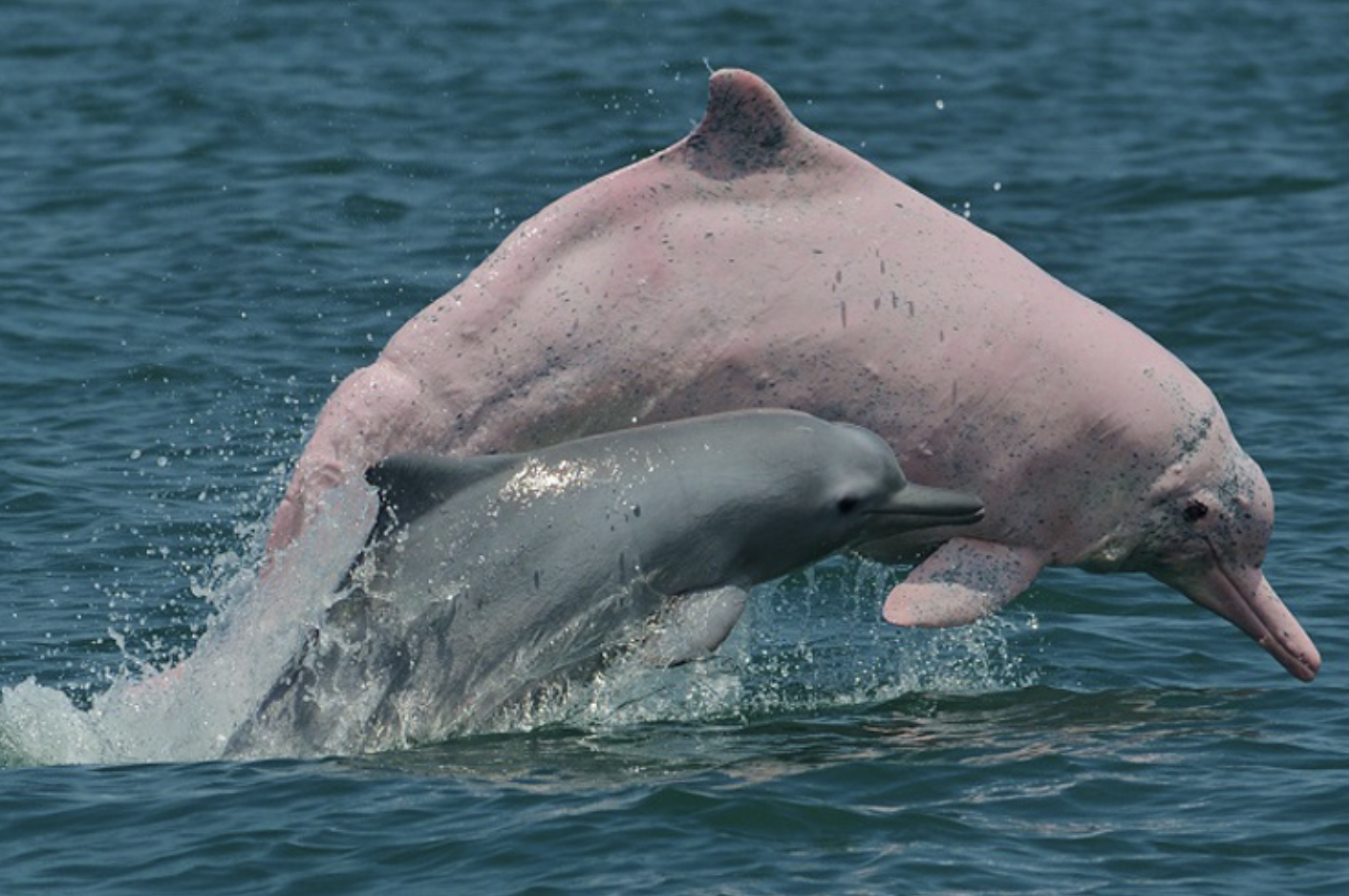
A Taiwanese white dolphin swimming near the coast
Image source: iNaturalist
Taiwan endemic subspecies IUCN Red List · Critically Endangered

Taiwanese white dolphin

Sousa chinensis taiwanensis

A subspecies found only along Taiwan’s west coast, its pink-white figure is known locally as the “Matsu fish”. Scholars estimate fewer than 50 remain, declining about 3–4% a year — Taiwan’s most urgent marine conservation case.
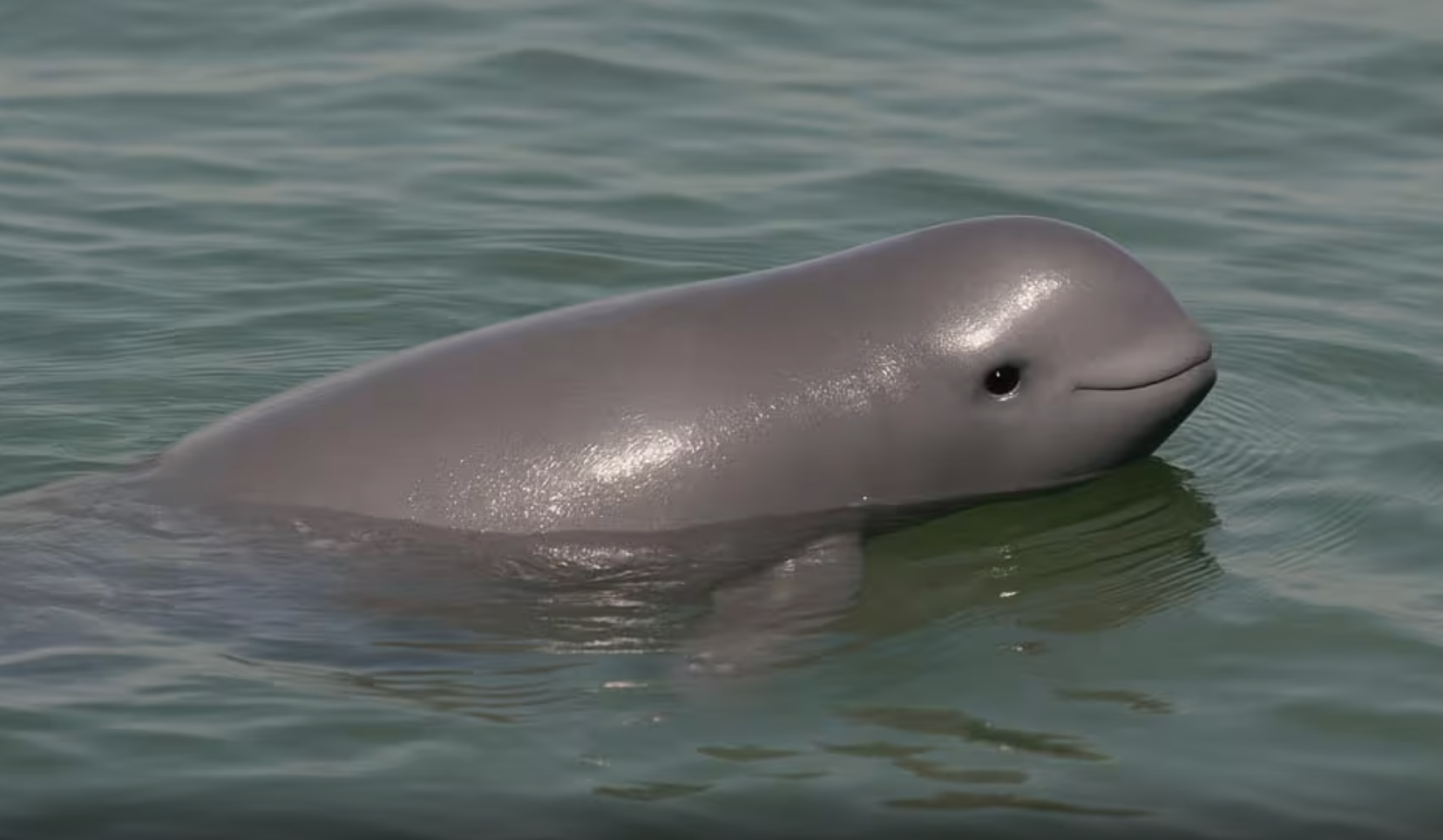
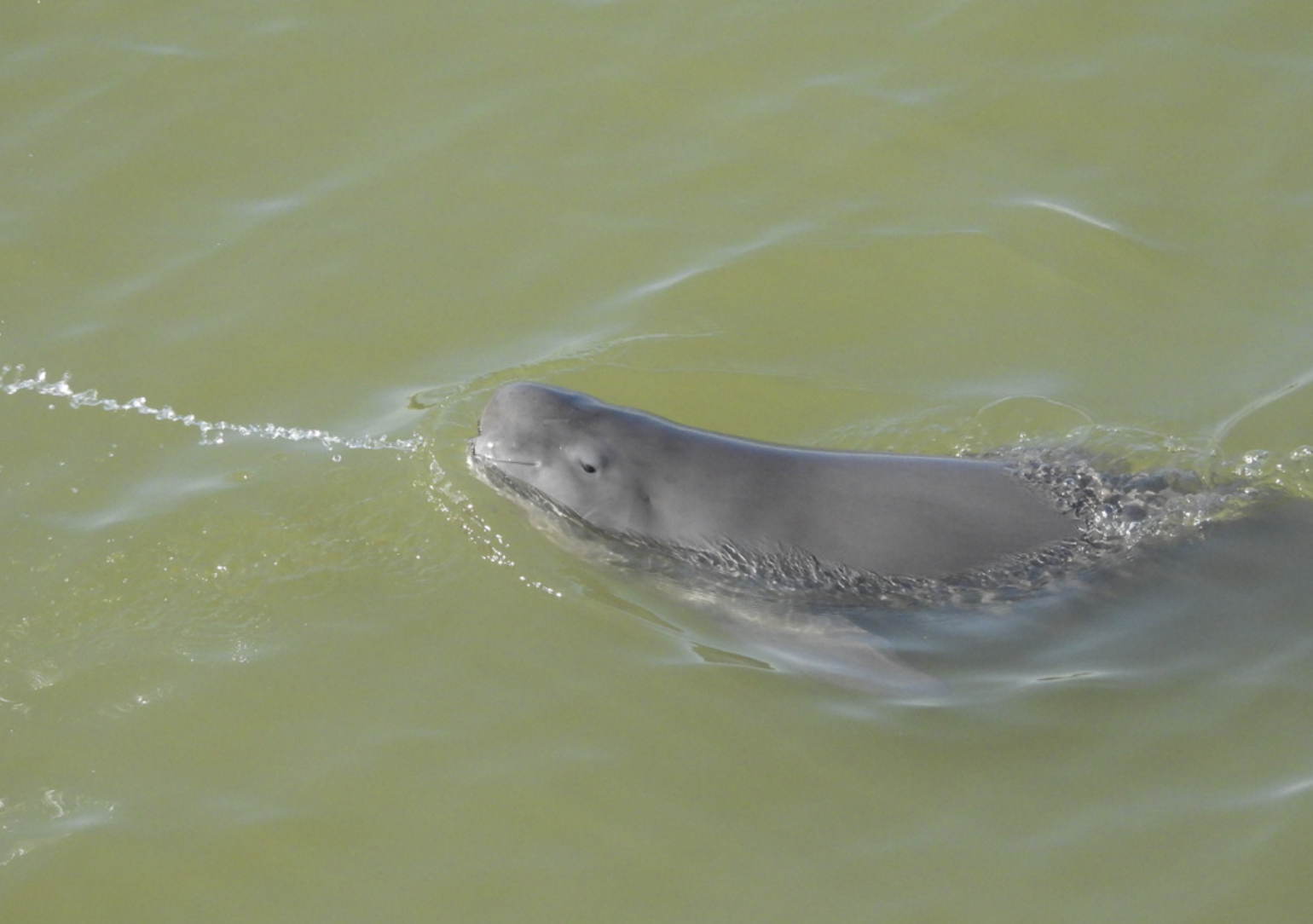
An Indo-Pacific finless porpoise surfacing
Image source: iNaturalist
Coastal porpoise IUCN Red List · Vulnerable

Indo-Pacific finless porpoise (broad-ridged finless porpoise)

Neophocaena phocaenoides

A small, dorsal-fin-less porpoise of shallow coastal waters. Records once grouped broadly as “finless porpoise” are separated by species here.

A narrow-ridged finless porpoise swimming underwater
Image source: iNaturalist
Coastal porpoise

Narrow-ridged finless porpoise (East Asian finless porpoise)

Neophocaena asiaeorientalis

Also dorsal-fin-less, but a separate species from the Indo-Pacific finless porpoise. Similar common names make the scientific name important when reading sighting or stranding records.

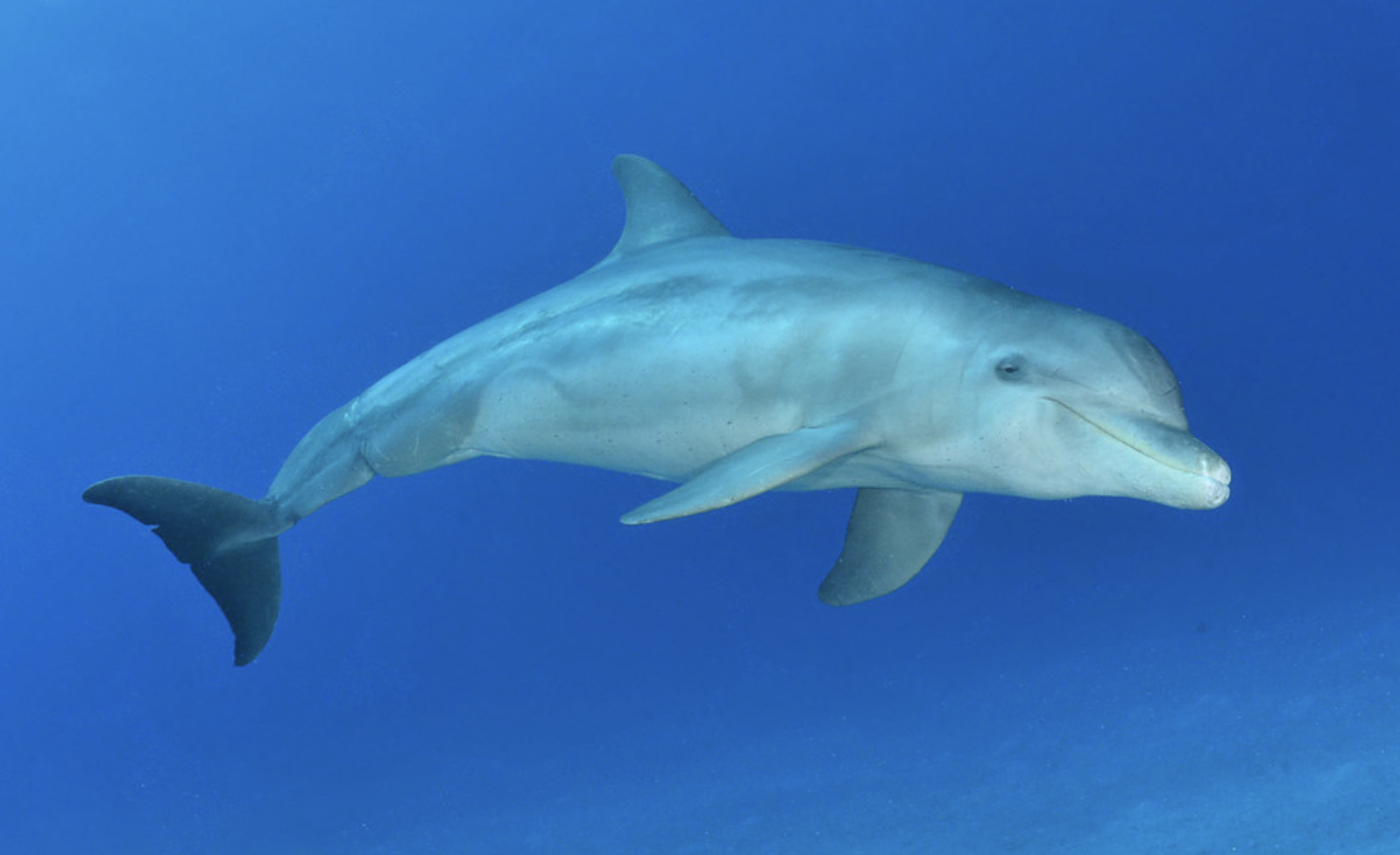
A common bottlenose dolphin swimming in the sea
Image source: iNaturalist
Bottlenose dolphin

Common bottlenose dolphin

Tursiops truncatus

One of the most familiar dolphins. It resembles the Indo-Pacific bottlenose dolphin but is a separate species, so records should retain the scientific name.

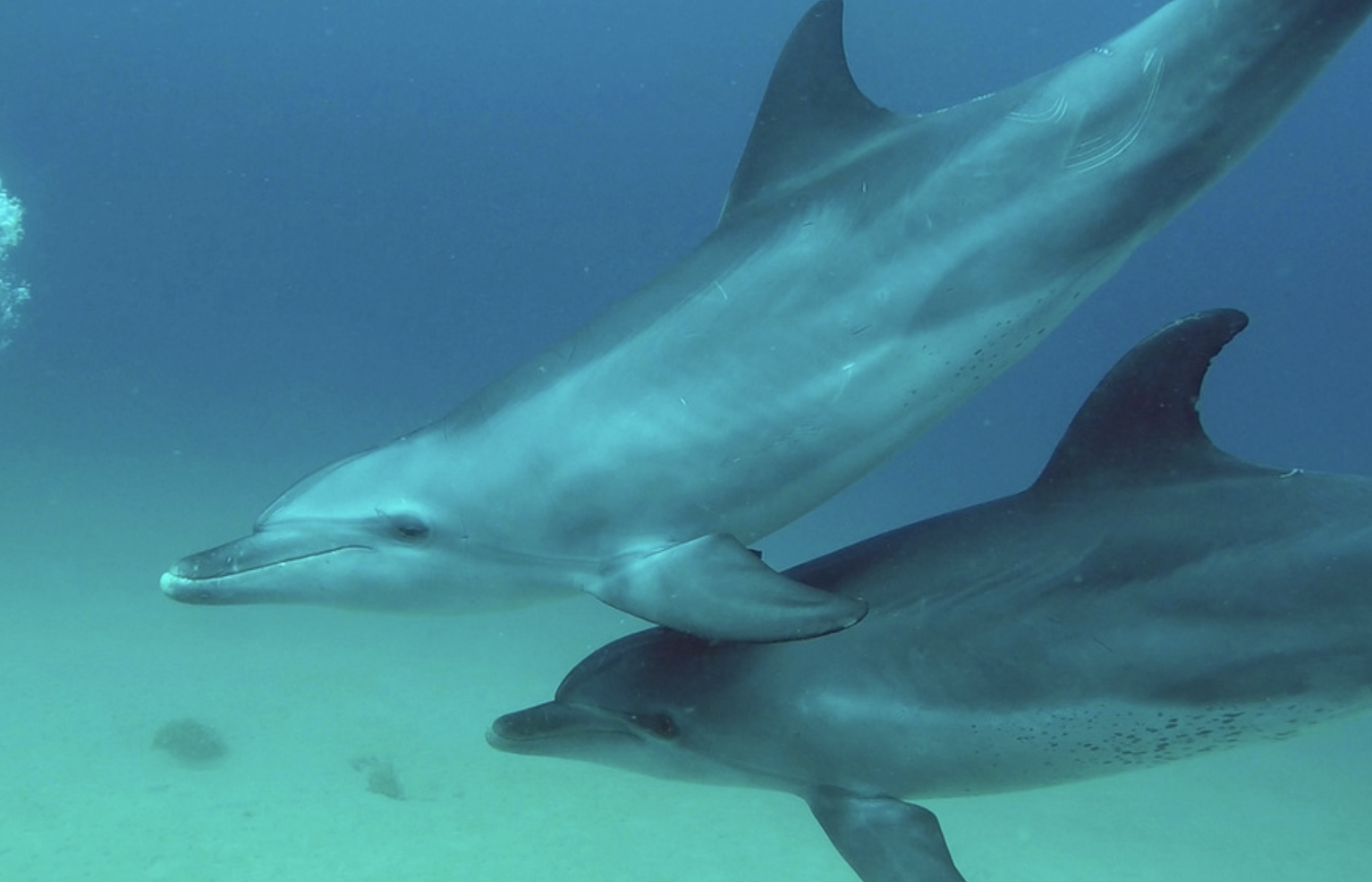
An Indo-Pacific bottlenose dolphin swimming in the sea
Image source: iNaturalist
Bottlenose dolphin IUCN Red List · Near Threatened

Indo-Pacific bottlenose dolphin

Tursiops aduncus

Similar in appearance to the common bottlenose dolphin, but a separate species. Sighting and stranding records should retain the scientific name.

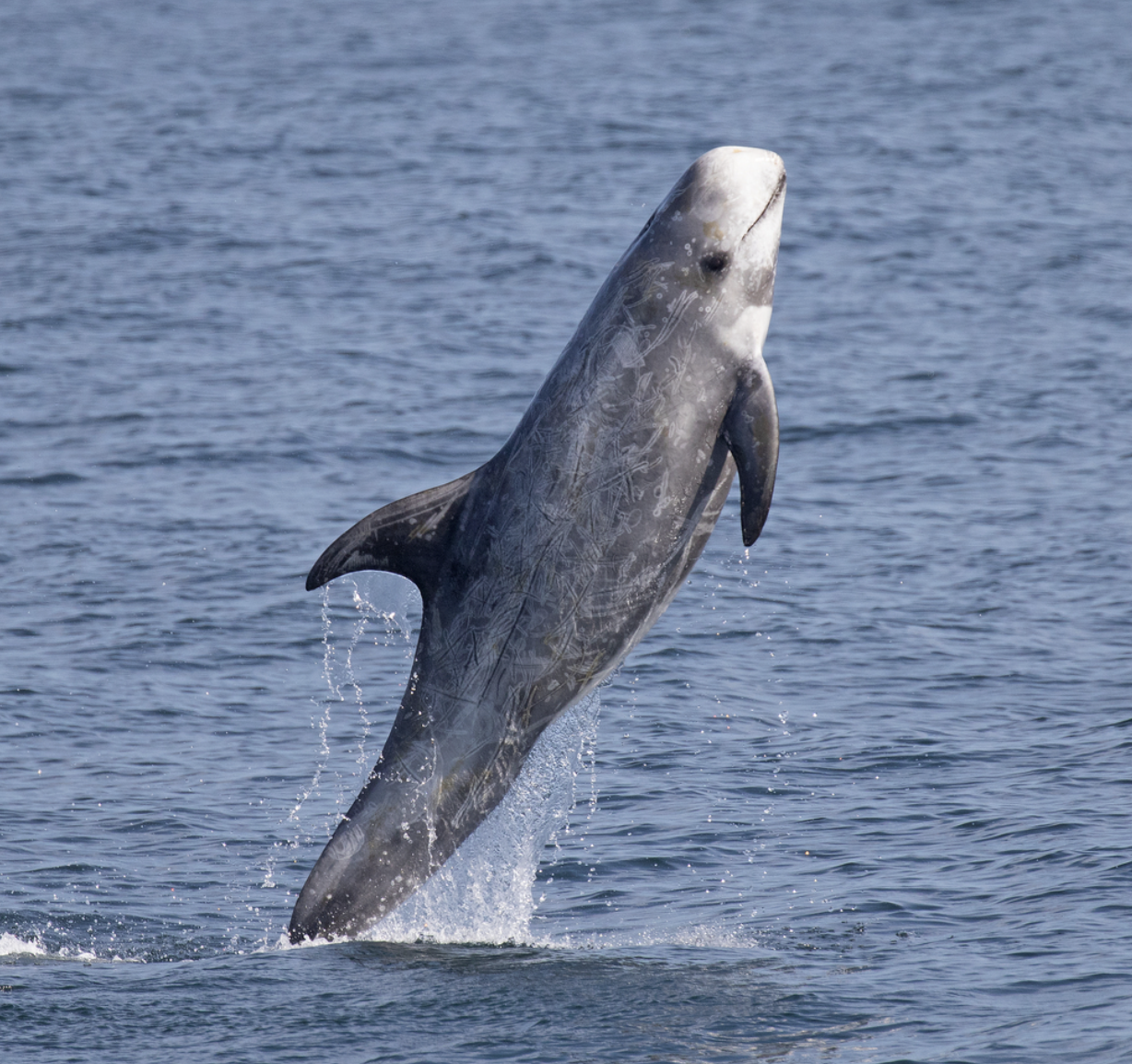
A Risso’s dolphin swimming in the sea
Image source: iNaturalist
Open-ocean species

Risso’s dolphin

Grampus griseus

Taiwan’s whale-watching community often calls it the “patterned dolphin” or “Li’s dolphin”. Fishers call it tuā-thâu-á for its blunt, rounded head; older animals turn grey-white as scars accumulate and are also known as huê-ê-siūnn-thâu, evoking a bright bald monk at the surface.

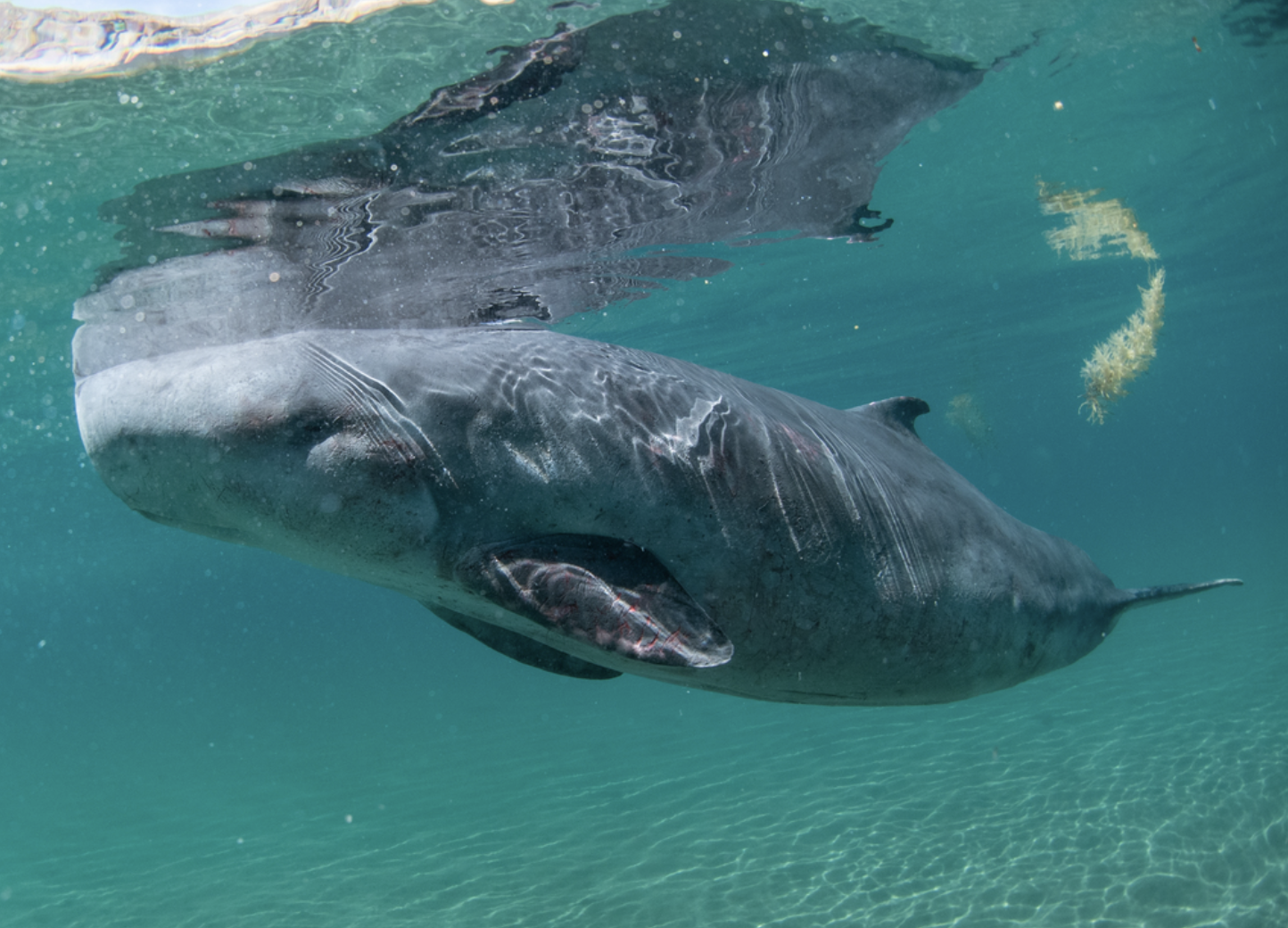
A pygmy sperm whale swimming in the sea
Image source: iNaturalist
2025 stranding record

Pygmy sperm whale

Kogia breviceps

A member of the dwarf sperm whale family and a separate species from the similarly named dwarf sperm whale. Taiwan’s 2025 cetacean stranding summary recorded four individuals, making the scientific name important for identification.

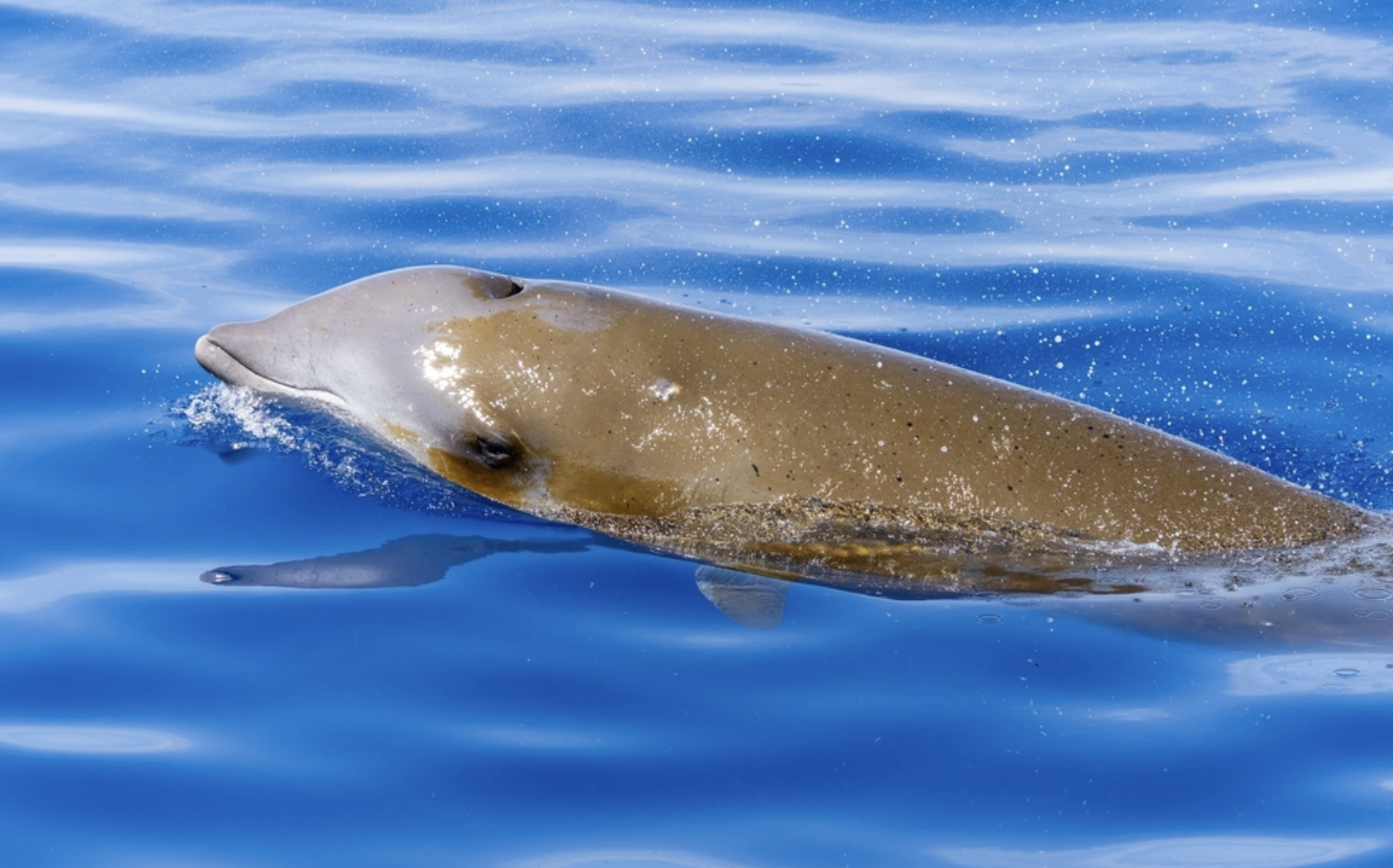
A Cuvier’s beaked whale swimming in the sea
Image source: iNaturalist
2025 stranding record

Cuvier’s beaked whale

Ziphius cavirostris

A beaked whale adapted to deep diving and generally found in deeper waters. Taiwan’s 2025 cetacean stranding summary recorded three individuals; professional confirmation is important because visual identification can be difficult.

Human threats

The human-made threats cetaceans face

Bycatch, strikes, noise, debris — most threats trace back to human activity. Knowing them is the first step to reducing the harm.

Fisheries bycatch

Entanglement in nets, set nets and fishing gear is the most direct threat to coastal dolphins, often causing drowning or severe injuries.

Vessel strikes

Busy shipping lanes and high-speed vessels cause strike injuries that repeatedly become infected, and disturb normal activity and breeding.

Underwater noise

Piling, sonar and ship noise interfere with animals that navigate and communicate by sound. Studies show white dolphins react to noise from as far as 60–70 km away.

Marine debris

Swallowed plastic and derelict fishing gear block or pierce the digestive tract. Sea turtles under the same rescue network are routinely found with hooks and man-made objects inside.

Habitat loss

Land reclamation, development and offshore construction squeeze the coastal habitat; the white dolphin’s core habitat is especially fragile.

Land-based pollution

Sewage and chemicals flow from land into the sea, weakening cetacean immune systems and making them more vulnerable to disease.

What you do on land affects the whales at sea

The ocean and the land were never two separate worlds. Research finds bacteria in stranded cetaceans matching land sewage; even Toxoplasma from cat litter can wash into the sea and infect them. Reducing pollution and handling waste properly is protecting marine life far away.

Conservation in action

One rescued animal is a whole network’s work

Rescue is not something one agency can do. The Ocean Conservation Administration acts as the integration core, linking the Coast Guard, local governments, academic cetacean centers, veterinarians and volunteer groups into the Marine Animal Rescue Network (MARN). When a report comes in, these roles relay to the same shoreline.

2026 Q1 · A story of hope

Checheng, Pingtung: a mass stranding of 11 pygmy killer whales

In February 2026, eleven pygmy killer whales stranded together at Haikou fishing port in Checheng, Pingtung. Local rescue associations, release boats and response teams — over 60 people — lifted them one by one safely onto fishing boats with cranes and excavators. Medical teams drew blood on site, confirmed the animals were stable, and headed out to sea: seven were successfully released, the highest release count of any recent mass-stranding rescue.

7pygmy killer whales returned to the sea

In rescue, there is no perfect answer

On site there is rarely a “perfect” strategy — only the best available choice, made on professional judgment in the moment. Sometimes that means hard trade-offs: to make limited rescue capacity count, teams may have to let go of individuals beyond saving and pour the most resources and time into the lives that still have a chance. That is not coldness; it is the most responsible judgment life can be given under limited resources. Understanding and trusting the professionals on the front line is part of protecting these animals too.

Why do “mass” strandings happen?

Many dolphins are intensely social animals with tight bonds between companions. When one individual strands through injury or illness, the others often follow its calls and refuse to leave — and the whole group ends up trapped together. That is a major cause of mass strandings, and why rescues often need to stabilize the entire group and release them together, as with these eleven pygmy killer whales.

White dolphin conservation data

Small lights, guiding the rescues to come

Photo-ID catalogues, at-sea surveys, scientific sampling and pathology — these numbers are the front line’s day-after-day accumulation, and the foundation of conservation decisions.

74
Individuals in the Taiwanese white dolphin photo-ID catalogue, tracking every one of the “pink spirits”
62
Individuals scientifically sampled in 2025, for pathology and cause-of-death analysis
119 groups
Cumulative at-sea white dolphin sighting records, underpinning population monitoring
21 cases
Pathology analyses in 2025, turning each death into conservation knowledge